Wood vs. vinyl vs. aluminum vs. chain link: which fence is right for your property?
Wood is the budget pick for a natural look and full privacy, but it needs the most upkeep and is the only material termites eat. Vinyl is low-maintenance privacy that lasts about twice as long. Aluminum is the best choice for wind, wet ground, and pools. Chain link is the cheapest durable option and great in a storm. For a Louisiana property, the climate usually tips the answer toward vinyl or aluminum.
The four materials at a glance
Every material trades cost against lifespan, maintenance, privacy, and how it handles the Gulf Coast climate. Here is the side-by-side, with installed prices reflecting the Louisiana market. A good fence installation is about matching one of these to your yard and your budget.
| Wood | Vinyl | Aluminum | Chain link | |
|---|---|---|---|---|
| Installed, per foot | Pine $15–$24, cedar $22–$30 | $20–$35 | $25–$45 | $10–$20 |
| Lifespan | Pine ~15 yrs, cedar ~30 | 20–40 yrs | 30–50 yrs | 25–30+ yrs |
| Maintenance | High, seal every 2–3 yrs | Very low | Very low | Low |
| Privacy | Excellent | Excellent | Low, open pickets | Low, open mesh |
| Wind / hurricane | Poor, solid sail | Solid catches wind, reinforce posts | Best, open | Excellent, open |
| Humidity / rot | Rots, warps | Immune | Immune | Won’t rot, coated lasts longest |
| Termites | Vulnerable | Immune | Immune | Immune |
| Best for | Natural look, privacy on a budget | Low-maintenance privacy | Wind, waterfront, pools | Cheapest durable containment |
Wood
Wood is the most popular fence for a reason. Pine is the cheapest privacy option, cedar looks beautiful and resists rot better, and you can repair it one board at a time. The catch in Louisiana is upkeep and pests. Wood needs sealing or staining every two to three years to fight the humidity, and it is the only common fence material termites will eat. If you want wood, set it on metal or concrete posts to keep it off the soil, and plan on the maintenance.
Vinyl
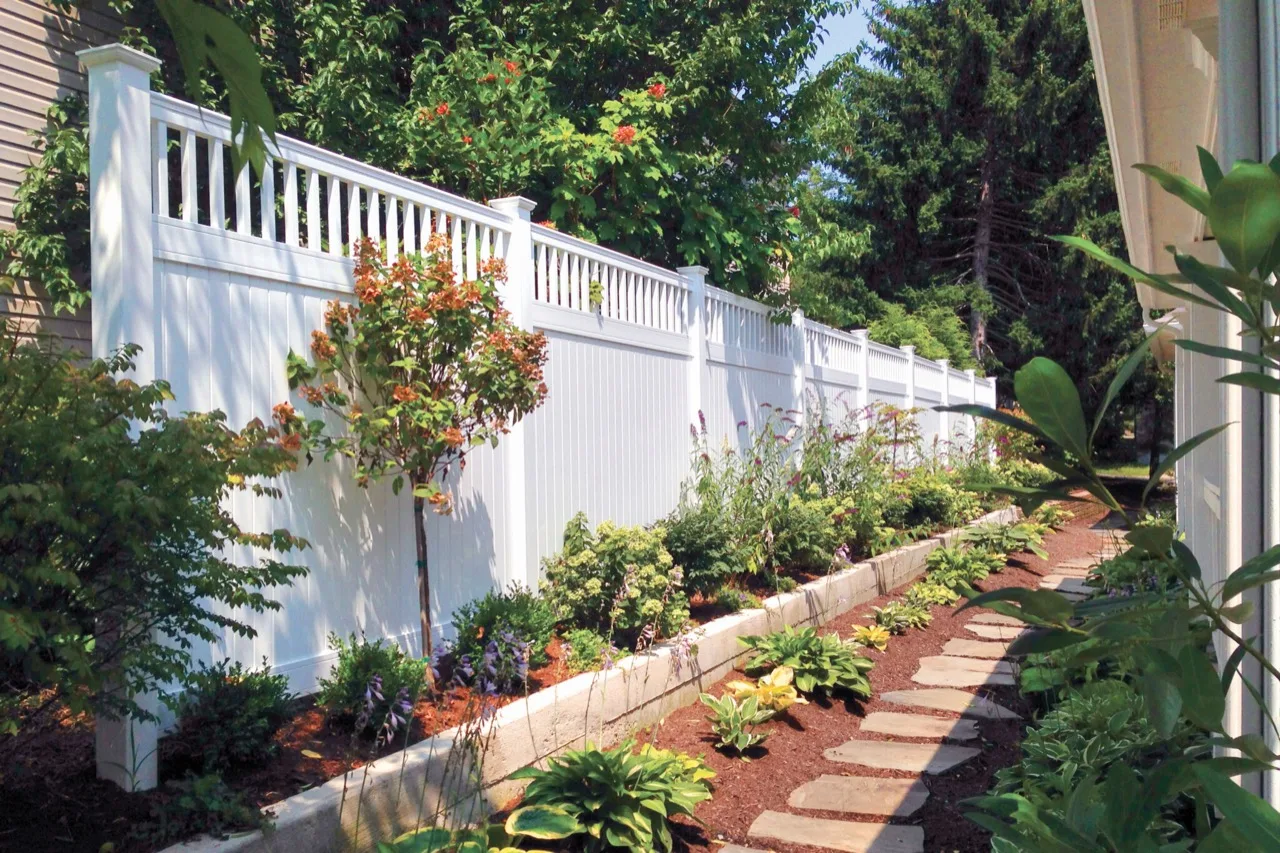
Vinyl is the low-maintenance privacy choice. It will not rot, warp, or feed termites, you clean it with a hose, and it lasts 20 to 40 years. The trade-offs: it costs more up front than wood, solid panels catch wind so the posts must be set deep in concrete, and a damaged section means replacing a whole panel. Buy quality, since thin vinyl is what fades and looks cheap.
Aluminum
Aluminum is the Northshore’s quiet workhorse. It never rusts, which makes it ideal near water and in salty, humid air, it needs almost no maintenance, and it lasts 30 to 50 years. Its open-picket design is the best performer in a hurricane because wind passes straight through, and it meets most pool-safety codes. The one thing it does not give you is privacy, so it is the answer for security, pools, and waterfront views rather than blocking the neighbors.
Chain link
Chain link is the cheapest durable fence and one of the best in wind, since the open mesh lets gusts through. Galvanized or vinyl-coated, it lasts decades and contains dogs and kids without much fuss. It offers no privacy and has a utilitarian look, but for large properties, back lots, and pure function it is hard to beat on price. In our humidity, the vinyl-coated version holds up better than plain galvanized.
A quick word on two more options: composite gives you a wood look with vinyl-level upkeep at a higher price, and ornamental iron looks stately but rusts in this climate, which is exactly why aluminum exists.
Which should you pick on the Northshore?
- Want privacy and low maintenance: vinyl, or a wood fence if you will keep it sealed.
- On a budget: chain link for function, pressure-treated pine for privacy.
- Near water, a pool, or in the open wind: aluminum.
- Worried about termites and rot: anything but bare wood, or wood on metal posts.
Because Louisiana adds hurricanes, humidity, and Formosan termites to the decision, it is worth reading the best fence types for Louisiana weather before you commit, and checking what each one costs and whether you need a permit.
FAQ
Which fence is better, wood or vinyl? It depends on your priorities. Wood is cheaper up front, looks naturally warm, and is easy to repair, but it needs sealing every few years and is the one material termites eat. Vinyl costs more at first but is nearly maintenance free, will not rot, and termites ignore it, lasting roughly twice as long. In Louisiana’s humidity and termites, vinyl usually wins on total cost; choose wood if you want the look and will keep up the maintenance.
What are the disadvantages of vinyl fencing? It costs more up front than wood or chain link. Solid panels catch wind like a sail, so the posts have to be set deep in concrete in hurricane country. A repair usually means swapping a whole panel rather than one board, the color is permanent since you cannot paint it, and cheap, thin vinyl can fade or yellow over time.
Do vinyl fences look cheap? Quality vinyl does not. Modern vinyl comes in white, grays, tans, and woodgrain textures that look clean and hold up well. The cheap look comes from thin, low-grade product that dents and yellows. If one vinyl quote is far below the others, that is usually a sign of thinner material. For the most wood-like premium look, composite beats vinyl.
How long does a vinyl fence last vs. wood? Vinyl typically lasts 20 to 40 years. A pine wood fence lasts about 15, and cedar can reach 30 with care. So vinyl generally lasts about twice as long as a standard wood fence, and that gap widens in Louisiana, where humidity and termites wear wood down faster.
What is the cheapest fence? Chain link is the cheapest durable option, around $10 to $20 per foot installed here, and it holds up well in wind. Pressure-treated pine is the cheapest privacy option, but factor in the sealing every few years and the termite risk before you decide it is the better deal.
What is the longest-lasting, most durable fence? Aluminum and vinyl last longest because they do not rust, rot, or feed termites. Aluminum tops out around 30 to 50 years and handles wind well thanks to its open design. For Louisiana specifically, both beat wood on lifespan with far less upkeep.
Not sure which one fits your yard?
That is what a site visit is for. W2 Commercial Construction installs all four materials across Covington, Mandeville, Slidell, and the Northshore. Tell us what matters most, privacy, budget, low maintenance, or storm and termite resistance, and we will recommend the material that fits and put a written free estimate in your hands.