
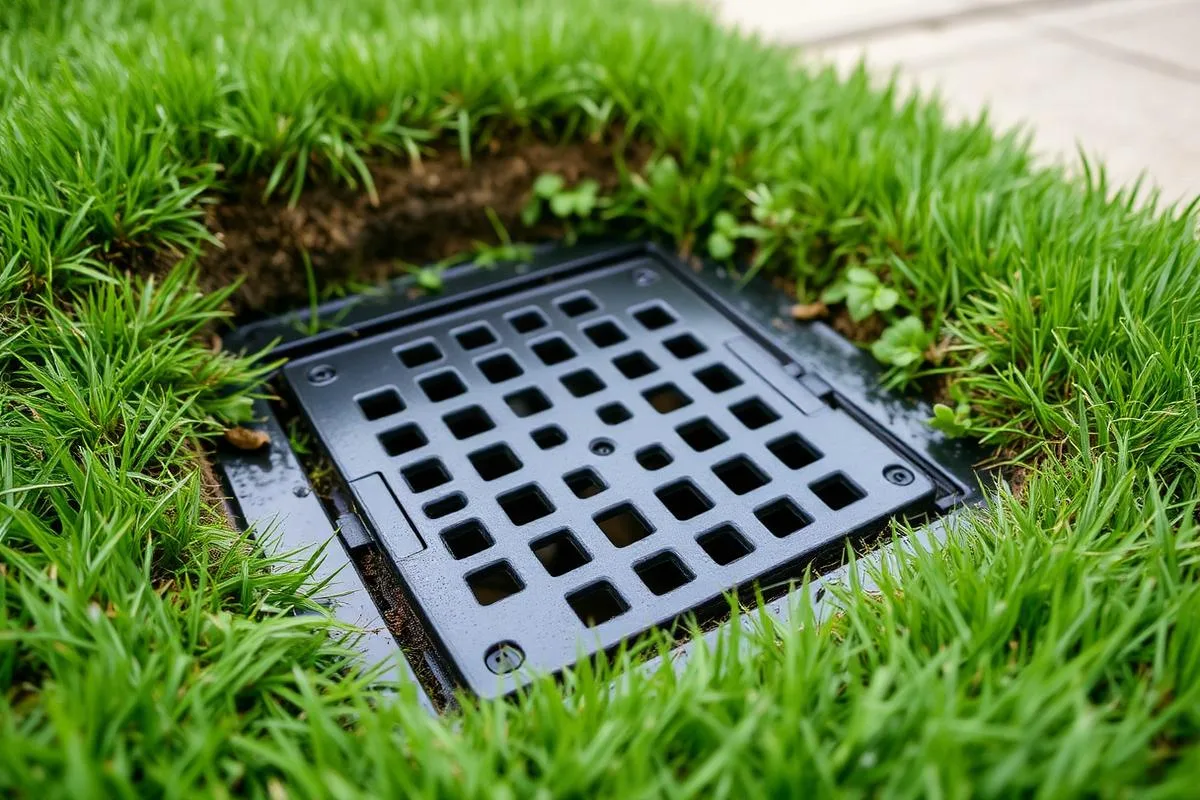
What actually fixes yard drainage in flood-prone St. Tammany Parish?
The fixes that work here are the ones built for flat ground, heavy rain, and a high winter water table: french drains with true gravity outfalls, regrading that respects the parish’s strict fill rules, catch basins piped to legal outlets, maintained ditches and culverts, and, for the lowest lots, elevation. St. Tammany also regulates this work more than most homeowners expect, so half of doing it right is doing it legally.
This parish floods four ways by the government’s own accounting: rivers, rain overwhelming drainage, coastal surge, and backwater. More than 400 structures here qualify as severe repetitive flood losses, among the worst concentrations anywhere. The upside: the parish’s floodplain management earns every flood-insurance policyholder a 15 percent discount, and the rules below exist because drainage genuinely matters here.
The pipe and basin fixes on this list are what our French drain and yard drainage service builds.
First, the rules: fill and grading in St. Tammany
Before any solution involving dirt, know the parish’s fill ordinance, because it is strict and enforced:
- You cannot place fill or build anything that worsens drainage onto a neighboring lot. That is the foundational rule.
- Net fill is prohibited in critical drainage areas (which include FEMA A and V flood zones) and on any lot 90 feet wide or less without an approved development plan. The parish keeps an official Critical Drainage Area map.
- Driveway fill is capped at 6 inches above natural grade in a critical drainage area, and averages no more than 6 inches on a residential lot under 90 feet wide with no approved subdivision drainage plan, and fill cannot block natural drainage paths or parish servitudes.
- Grading, excavation, paving, or fill outside a building permit requires its own site work permit, and anything in the floodplain requires a permit, period.
- South of Highway 190 between Mandeville and Slidell, the parish’s 2025 Resilience Overlay District One goes further: no fill that raises any part of a parcel above its natural elevation (minor grading at the house site and driveway is limited to 6 inches), and new construction sits 3 feet above the base flood elevation.
None of this makes drainage work impossible. It makes casual dirt-hauling risky and engineered drainage the right path. We build drainage projects inside these rules, permits included, and it is worth confirming your parcel’s status with the parish before any contractor drops a load of fill on it.
The solutions, matched to the situation
| Solution | Best for | The St. Tammany catch |
|---|---|---|
| French drain | Saturated ground, soggy zones near slabs | Needs a gravity outfall; winter water table 1–3 ft |
| Regrading | Yards pitched toward the house, low spots | Fill rules above; slope to a legal outlet |
| Catch basins + piping | Water collecting at predictable points | Runs over 50 ft need an engineer’s stamped plan |
| Swale | Moving sheet flow across a lot | Shape it away from neighbors |
| Ditch & culvert work | Roadside water backing into the yard | Ditches are parish work; culverts need approval |
| Rain garden | Low spots you would rather plant | Works with, not instead of, real drainage |
| Elevation | Repetitive-loss and lowest lots | FEMA grants through the parish fund it |
French drains here follow the LSU AgCenter’s regional spec: a trench 12 to 18 inches wide, 18 to 24 inches deep, 4-inch perforated pipe on washed gravel, wrapped so our fine soils do not clog it, outletting to a ditch, swale, or pop-up emitter. The local twist is the water table. The parish’s dominant terrace soils, the Abita series among them, hold a seasonal water table 1 to 3 feet down from December through April, which puts the drain in groundwater all winter. Design for constant winter flow to a real outfall and it works beautifully. Count on soakage and it fails.
Catch basins and buried pipe carry a rule most people have never heard: on private systems, any run longer than 50 feet requires a plan stamped by a Louisiana-licensed civil engineer, with basins every 50 feet. Roadside ditches on parish right-of-way are the parish’s to clean, Public Works takes work orders from its Covington, Pearl River, and Slidell barns. Driveway culverts are on you: owner-funded, approved by parish Engineering before work starts, properly sized pipe at 15 inches minimum, inspected before backfill.
One more piece of law worth knowing: Louisiana Civil Code says downhill lots must accept natural flow, but nobody may alter their lot to make drainage worse for a neighbor. Good drainage design solves your water without exporting the problem next door, which is both the law and the neighborly way to build.
What we build, and where to start
Most wet St. Tammany yards get fixed with a combination: grade the surface water to a legal outlet, intercept the groundwater with a french drain, catch the stubborn low point with a basin. That is core sitework for us, built with our own grading and dirt-work crews, permits and parish rules handled. Costs for the common fixes are in our french drain cost guide, and the warning signs that you need any of this are in our drainage problem signs guide.
The rain is not going to ease up, Covington’s own weather station normals run 62 inches a year with June the wettest month, so a yard that struggles now will struggle every year until the water gets a designed way out. Walk us around the wet spots and we will map the fix, free.